Why Is My Job Search Not Working? Honest Fixes That Get Replies
If you’re sending applications into silence, you’re not alone. The market is noisy, and the smallest gaps can stall a good candidate. Common culprits show up fast: a resume that isn’t targeted, a quiet LinkedIn, a shotgun approach to applying, no referrals, and weak follow-ups. The good news, you can fix most of this in a week. We’ll do a quick self-check, tighten your application funnel, then use simple networking and follow-ups to spark responses. The one-line takeaway: small changes can double your response rate.
Quick self-check: top reasons your job search is not working

Photo by ANTONI SHKRABA production
Your resume does not match the job posting keywords
Signs:
- You apply often, get few views or interviews.
- Rejections arrive fast, sometimes in hours.
- Roles you could do still go cold.
Quick fix:
- Mirror 5 to 8 core keywords from the posting. Pick exact phrases like “SQL,” “account management,” “Figma,” “budget forecasting.”
- Lead bullets with strong verbs and numbers: Grew, Cut, Saved, Built.
- Use this pattern: Verb + what you did + result with a number, time frame, and tool.
- Example: Built a Python script that cut report prep time 40 percent in 3 months.
- Cut fluff like “responsible for.”
- Action today: tailor the top third of your resume to each role.
If you need a gut check on common gaps, this breakdown on why you can’t find a job offers practical reasons and fixes.
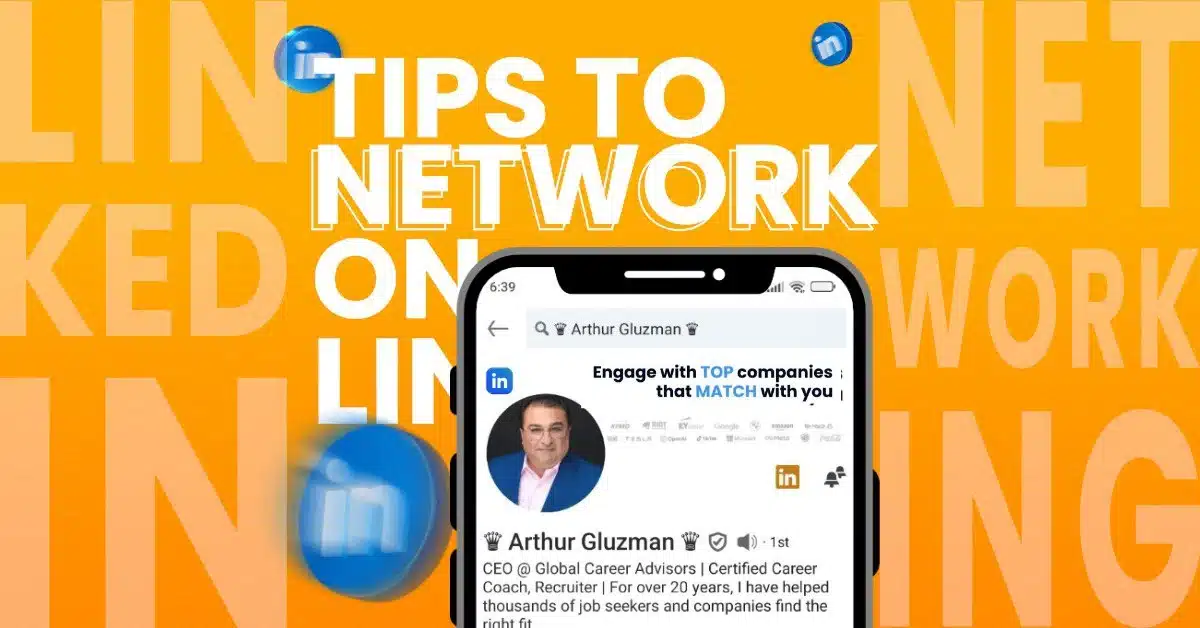
Your LinkedIn profile is quiet or unclear
Signs:
- Recruiters don’t view your profile.
- Few connections, no profile views, no messages.
Quick fix:
- Headline formula: Target Role | Industry | 3 core skills.
- Example: Product Manager | Fintech | Roadmaps, SQL, A/B Testing
- About section: 2 to 3 short lines on your work, results, and goal.
- Turn on Open to Work for recruiters.
- Add 10 to 15 skills that match target jobs.
- Ask two people for quick endorsements.
- Post or comment 10 minutes a day to stay active.
- Add a custom URL and a recent photo.
You apply to too many roles or the wrong roles
Signs:
- 50 plus applications, near zero callbacks.
- Titles and industries are all over the place.
- You aim one level above your current scope without clear proof.
Quick fix:
- Build a focused list of 20 to 30 target companies.
- Use the 70 percent rule. You should meet most must-haves and be close on nice-to-haves.
- Skip roles a full level up unless you have proof of scope, like team size, budget, or revenue impact.
- Track your pipeline in a simple sheet: company, job link, status, contact, next step.
For perspective on common pitfalls, see Ivy Exec’s take on reasons your job search may not be working.
Fix the funnel: better applications that get interviews
You don’t need a full rewrite for every job. You need a focused trim that matches the job’s language and highlights your best wins. Follow a fast tailoring method, tighten formatting for ATS, then use smart submission habits.
- Start with your resume’s top third. That is what gets skimmed first. Put your strongest 3 wins there.
- Match phrasing from the posting when it reflects real skills. Use exact tools and titles.
- Keep formatting clean. One column, standard fonts, no images or tables.
- Submit on company sites or LinkedIn first when possible. These channels are easier to track and often faster to review.
- Track every application, then follow up once in 5 to 7 days.
For more ideas and examples from job seekers, this community thread on troubleshooting your job search can help you spot patterns.
Tailor your resume and cover letter in 15 minutes
Use this quick checklist:
- Scan the job post and highlight 5 to 8 keywords.
- Match your top 3 bullets to the job’s top needs.
- Use the XYZ formula: Achieved X, measured by Y, by doing Z.
- Put the strongest wins in the top third.
Cover letter, keep it under 150 words:
- Hook: one line tied to the role or company.
- Why you fit: one line with 2 to 3 matching skills.
- Proof: one short win with a number.
- Close: a clear ask to talk.
Example:
I’m excited about the Product Analyst role at Acme. You need SQL, experimentation, and finance domain knowledge. In my last role, I cut reporting time 40 percent by building an automated SQL pipeline. I’d love to share how I can help your team ship insights faster.
Beat the ATS with clean formatting and the right keywords
- Use a simple layout, one column.
- Fonts: Arial or Calibri, 10 to 12 point.
- Standard headings: Experience, Education, Skills.
- No tables, text boxes, or images.
- Save as PDF unless the posting requests Word.
- Add a focused Skills section with tools and tech that match the posting.
- Use exact phrases from the ad when they reflect real skills.
Use LinkedIn and job boards the smart way
- Set alerts for target titles and cities so you apply in the first 24 hours.
- Prioritize company sites and LinkedIn over crowded boards when you can.
- Use Easy Apply only if your resume is tailored and your LinkedIn is sharp.
- Spend 15 minutes a day on search, 15 minutes on outreach.
- Track every application. Note the date and follow up in 5 to 7 days.
If you’re stuck on where to focus, this overview on common job search mistakes and fixes is a helpful refresher.
Stop applying in the dark: networking and follow-ups that get replies
Networking doesn’t need to be awkward. Keep it short, real, and targeted. Warm referrals, quick cold notes, and timely follow-ups can move you to the top of the pile. Interviews come next, and prep turns screen calls into offers. For mindset, see this perspective on picking the right problem to fix in your search: why your job search isn’t working.
Warm referrals that can triple your interview chances
Who to ask:
- Former coworkers, classmates, Meetup contacts, neighbors.
- Weak ties count. Think second-degree connections.
Short ask script:
- Why you like the role, why you fit, and a clear request.
Example message: Hi Sam, I’m applying for the Sales Manager role at Northbridge. I’ve led a 6-person team and grew pipeline 35 percent last year. Would you be open to passing my resume to the hiring manager or submitting an internal referral?
Referral blurb you can paste:
- Top wins: Grew SMB pipeline 35 percent in 12 months, cut churn 8 percent by launching a QBR process.
- Keywords: Salesforce, forecasting, pipeline review, onboarding.
Always say thank you and share updates.
Cold outreach that does not feel spammy
Targets:
- Hiring managers, team leads, in-house recruiters.
Subject: Quick question about the Product Analyst opening
Three lines, under 75 words:
- Real note on their work.
- One sentence on your skill.
- Simple ask for advice or a quick chat.
Example: Loved your post on experimentation at Acme. I run SQL daily and shipped 25 tests last year at FinPay. Any advice on the best way to stand out for your Product Analyst role?
Follow up twice, first in 48 hours, then in 7 days.
Interview prep that turns screens into offers
- Prepare 5 STAR stories with numbers. Pick wins tied to the job.
- Practice: Tell me about yourself, biggest win, conflict, why this company.
- Research the team and product. Read the latest blog or release notes.
- Bring 3 smart questions tied to outcomes, not perks.
- Know your salary range and must-haves.
- Send a short thank-you note within 24 hours that ties back to one topic you discussed.
Conclusion
Volume is not the strategy. Focus beats volume. Here’s a one-week plan to reset fast:
- Day 1: list 20 target companies and set alerts.
- Day 2: tune your resume and LinkedIn.
- Days 3 to 5: send 5 tailored applications and 5 outreach messages each day.
- Day 6: follow up on all pending items.
- Day 7: review results and adjust keywords.
Start with the self-check today. Your next reply is closer than you think.